
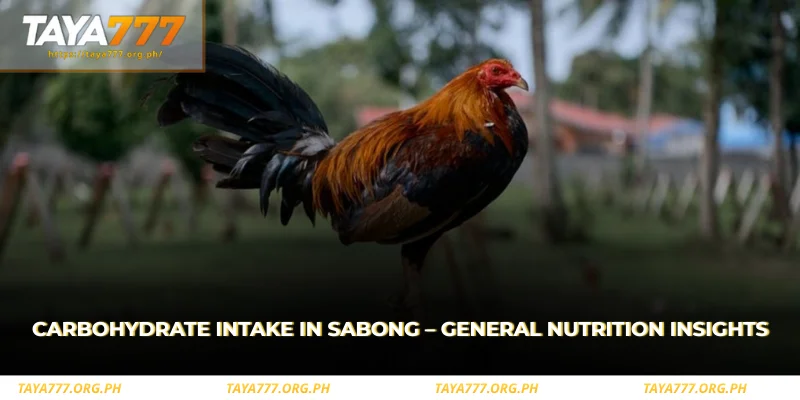
Carbohydrates are often discussed in relation to energy and endurance in animal nutrition, including Sabong. Rather than serving as a direct performance technique, carbohydrate intake should be understood as part of general nutritional knowledge for fighting cocks. This article, which Taya777 focuses on educational insights into carbohydrates, their potential roles, and important considerations, without promoting specific feeding protocols.
Understanding Carbohydrates in Sabong Nutrition
Carbohydrates are one of the main macronutrients found in poultry diets. From a biological perspective, they are converted into glucose, which the body may store as glycogen in muscles and the liver. Glycogen is commonly associated with energy availability during physical activity.
In Sabong, discussions around carbohydrates usually relate to how energy is stored and released in birds. However, carbohydrate intake should be viewed as a supportive nutritional factor, not a decisive element that determines match outcomes or guarantees performance.
Potential Roles of Carbohydrates for Fighting Cocks
When included appropriately as part of a balanced diet, carbohydrates may play several supportive roles:
- Energy support: Carbohydrates are commonly linked to short-term and sustained energy needs.
- Endurance maintenance: Adequate energy availability may help birds maintain activity levels.
- Recovery support: After physical exertion, carbohydrates are often associated with replenishing energy reserves.
- Movement coordination: Proper nutrition may contribute to overall muscle function.
It is important to note that these roles are general nutritional associations, not guaranteed effects in competitive situations.
General Timing Considerations (Without Specific Protocols)
Carbohydrate intake is often discussed in relation to periods of higher physical activity. In Sabong, some breeders consider nutrition adjustments closer to events, while others maintain consistent feeding routines.
There is no universal timing approach suitable for all birds. Factors such as age, physical condition, metabolism, and environment all influence how nutrients are processed. Any timing-related adjustments should therefore be approached cautiously and evaluated individually.
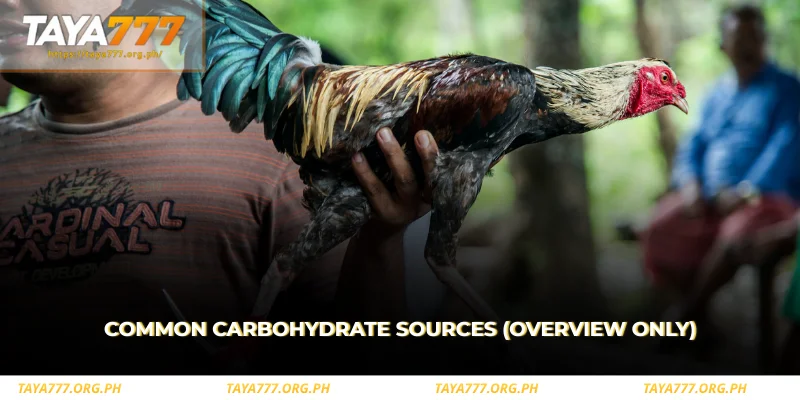
Common Carbohydrate Sources (Overview Only)
Carbohydrates for poultry generally come from plant-based sources commonly used in feeds, such as:
- Grains (e.g., corn, rice)
- Tubers (e.g., sweet potato)
- Other cereal-based feed ingredients
These sources vary in how quickly they are digested and absorbed. Selection should focus on quality, freshness, and overall dietary balance rather than specific combinations or ratios.
Important Cautions and Welfare Considerations
While carbohydrates are an essential nutrient group, improper intake may lead to unwanted effects:
- Overfeeding risks: Excessive carbohydrate intake may contribute to weight gain or reduced mobility.
- Digestive stress: Sudden dietary changes can affect digestion and appetite.
- Individual variation: Each bird responds differently based on genetics, health, and conditioning.
For these reasons, dietary decisions should prioritize animal welfare and long-term health. Consulting veterinarians or experienced poultry nutrition specialists is strongly recommended when making adjustments.
Responsible Sabong Practices
Nutrition alone does not determine outcomes in Sabong. Responsible participation emphasizes:
- Proper animal care and welfare
- Balanced nutrition without extreme practices
- Understanding that no feeding approach guarantees results
Viewing nutrition as part of overall care, rather than a competitive shortcut, helps maintain ethical and sustainable practices.
Frequently Asked Questions About Carbohydrate Intake in Sabong
Below are common questions that help clarify general nutritional considerations related to carbohydrate intake in Sabong, focusing on understanding rather than specific feeding methods.
Is carbohydrate intake necessary for fighting cocks?
Carbohydrates are a common energy source in poultry diets, but requirements vary by individual bird and overall feeding strategy.
Can too much carbohydrate intake cause issues?
Yes. Excessive intake may contribute to weight gain or digestive discomfort.
Should all fighting cocks follow the same diet?
No. Nutritional needs differ depending on age, condition, and activity level.
Is professional advice recommended when adjusting diets?
Yes. Veterinarians or poultry nutrition experts can provide guidance tailored to specific conditions.
Conclusion
Carbohydrate intake in Sabong should be understood as a general nutritional topic, not a guaranteed performance method. When considered responsibly and as part of a balanced diet, carbohydrates may support energy and recovery. Ultimately, proper care, ethical practices, and informed decision-making remain the most important factors in Sabong participation.
